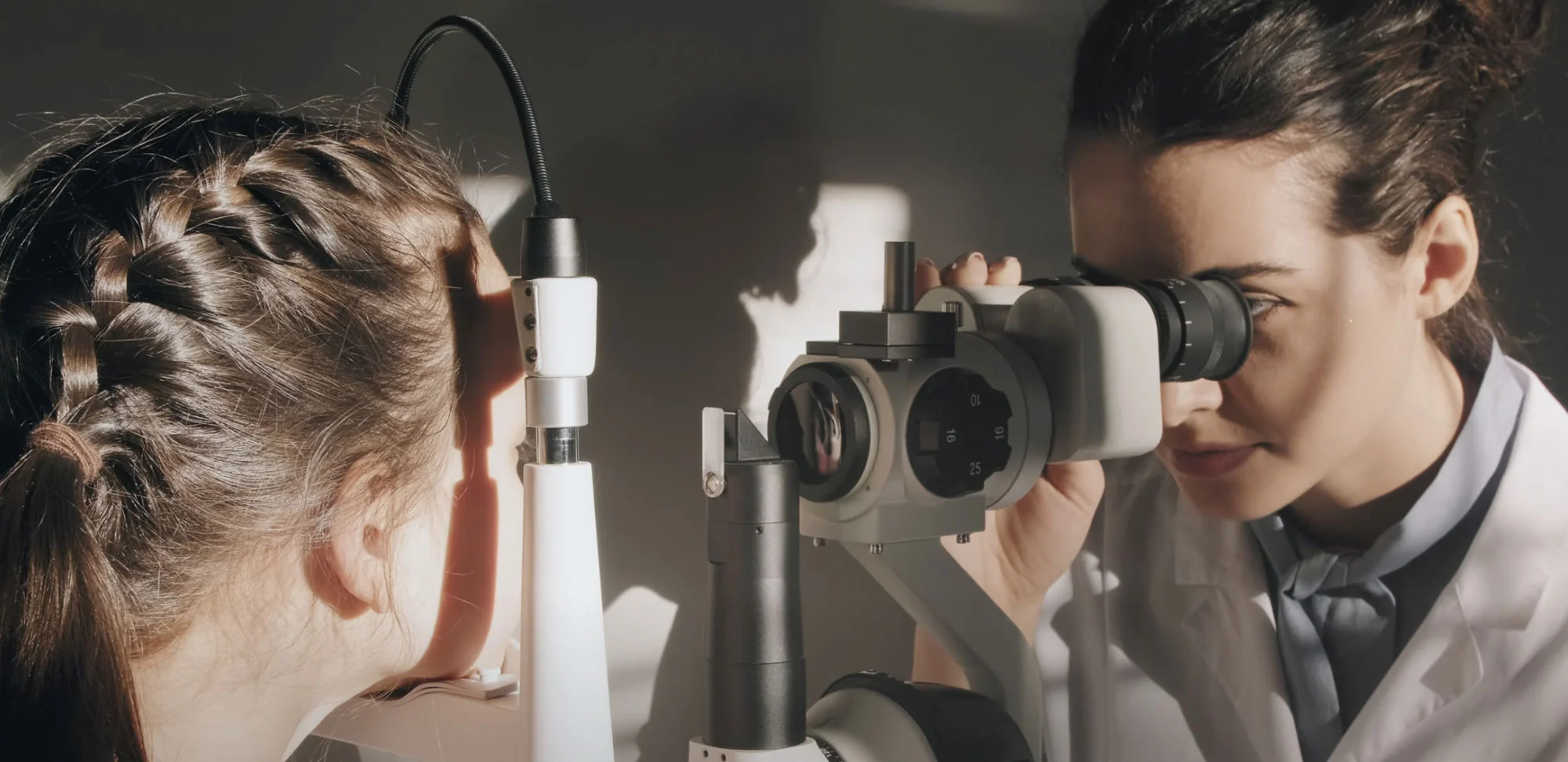
Cover your eyes after eye drops and take care of your vision!
Dilated pupils that don’t respond to light pose a danger. Wearing sunglasses after applying eye drops is a small effort that can protect your eyes from serious and permanent damage.
Vision and its importance
Vision provides us with over 80% of information about our surroundings. That is why it is so important to take care of it throughout our lives.
Eye examination with eye drops
Sometimes you or someone close to you may go for routine eye examinations. These may involve the use of eye drops. The drops dilate the pupils, allowing for a thorough eye examination. Without these drops, the examination would not be possible.
How drops affect the pupils
The drops cause the pupils to remain open regardless of the intensity of light. This phenomenon is scientifically called temporary paralysis of the pupillary sphincter muscle. After a few hours, this effect fades, and the pupils respond to light again.
The need to protect eyes after the examination
The pupils regulate the amount of light entering the eye. Light is energy — the more light, the more energy is absorbed by the retina. Safety standards define how much energy is safe for vision.
After applying eye drops, the eyes are more vulnerable to the harmful effects of light. The strongest source of light in our environment is the sun. The sun emits powerful energy that can damage the retina. Under normal conditions, a constricted pupil protects against sunlight, but after using drops, this natural protection is disabled.
To protect your eyes after using eye drops, simply wear sunglasses. This simple action can prevent vision damage.
It is important that you inform others about this risk.